Kansas City Real Estate Enters a New Era of Balance
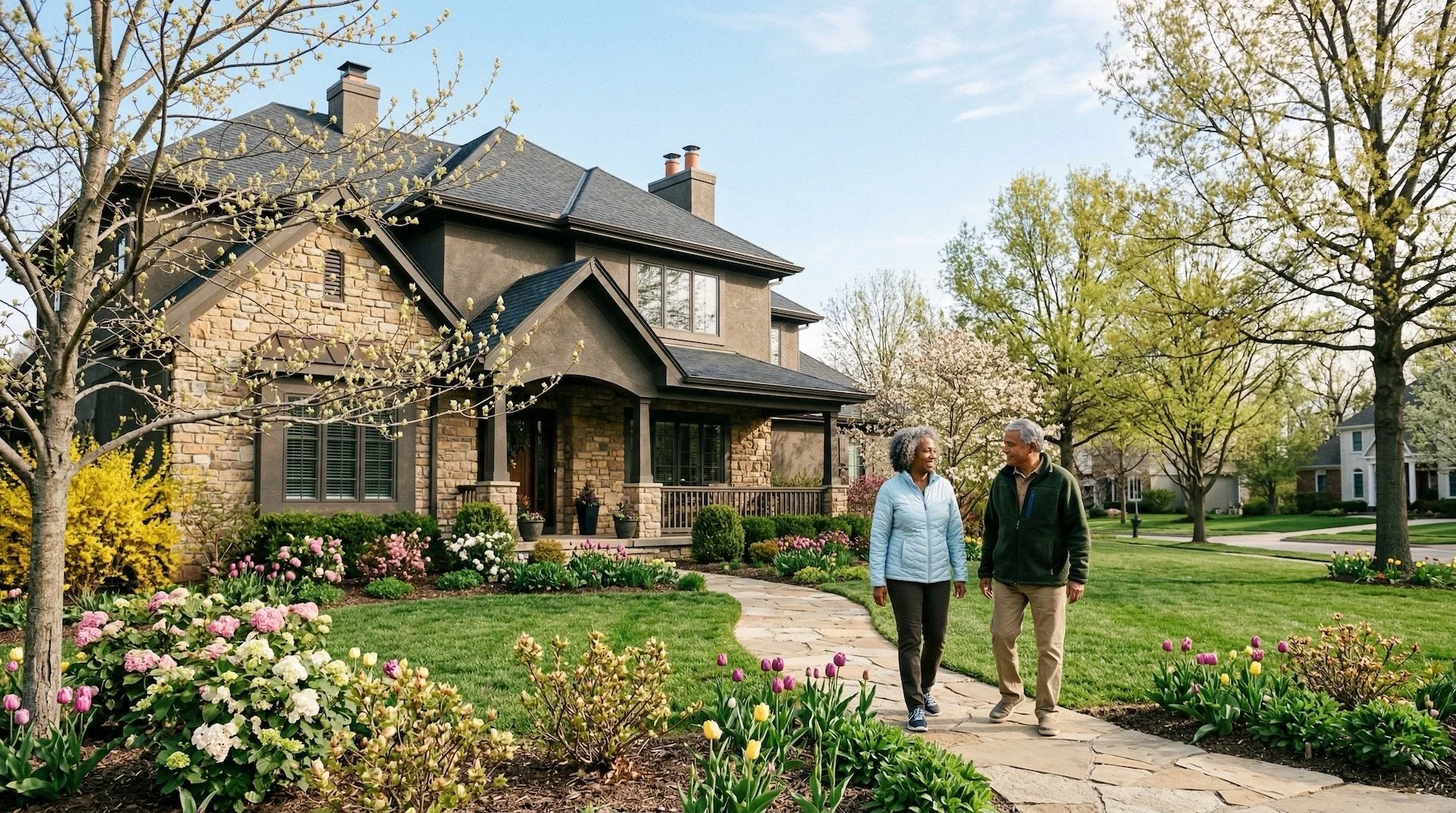
Lately, we’re seeing a significant shift in the movement of the local and national housing markets. After years of limited inventory and unpredictable spikes in financing costs, the spring season of 2026 is revealing a landscape that has finally turned a corner toward a more sustainable equilibrium. What’s unfolding here is a rare alignment where buyer demand is resurfacing despite a volatile economic backdrop, suggesting that the "wait-and-see" mentality that gripped the market for the last three years is finally beginning to thaw.
The numbers coming out of the most recent market assessments show that the typical spring surge is not just a seasonal anomaly but a deeper structural change. While mortgage rates have recently edged back up toward the 6.5% mark due to international tensions and energy price fluctuations, the momentum of home shopping has not stalled. On the contrary, pending listings saw their largest March increase in five years, signaling that the pool of active buyers has reached a tipping point of necessity and readiness.
What is particularly striking about the current environment is the resilience of demand. Online engagement with available properties has spiked by more than 30% compared to this time last year. This surge in digital foot traffic is finally translating into physical transactions, as newly pending contracts recorded one of the highest monthly totals seen since the end of the post-pandemic boom. The market is proving that while buyers are sensitive to interest rates, they are no longer completely paralyzed by them.
The Landscape of Supply and Demand
The supply side of the equation is also showing signs of a necessary evolution. For the first time in several seasons, the market is feeling better supplied and more balanced. Total inventory has risen for 28 consecutive months, providing a much-needed buffer against the frantic bidding wars that defined previous years. Even though new listings are relatively flat compared to last spring, the overall volume of homes for sale is nearly 10% higher than it was just a few months ago.
This growth in inventory is a critical component of the "turned corner" narrative. A better-supplied market allows for more rational negotiations and gives buyers the luxury of time that was once non-existent. We are seeing a median of 19 days for a home to move from active to pending status. While this is significantly faster than the winter months, it is a healthy pace that allows for due diligence without the immediate fear of losing out to an all-cash offer within hours of a listing going live.
Pricing and Affordability Realities
The part that deserves closer attention is how affordability is being recalculated by those currently in the market. Even with mortgage rates hovering in the mid-sixes, the actual monthly payment for a typical home has decreased by more than 4% year-over-year. This is largely due to the stabilization of home values, which are growing at a modest pace of less than 1% annually. This deceleration in price growth, combined with the tailwind of lower rates earlier in the year, has created a window of opportunity that many are now rushing to enter.
Price reductions are also playing a more prominent role in today’s transactions. Nearly 23% of active listings saw a price cut in March. This indicates that sellers are becoming more attuned to the reality of the current market and are willing to adjust their expectations to secure a deal. This willingness to negotiate is a hallmark of a balanced market, moving away from the seller-dominated environment where overpricing was often rewarded.
The Impact of Strategic Hesitation
Despite the uptick in activity, there remains a segment of the market that is firmly entrenched. A significant majority of current homeowners—upwards of 60%—indicate they have no plans to sell in the near future. This is particularly true among the baby boomer generation, where roughly 80% intend to stay in their current homes. This demographic choice keeps a substantial portion of larger, established homes "locked" and unavailable for younger families looking to trade up.
This persistent "lock-in" effect means that while the market is more balanced, it is not yet fully fluid. The shortage of move-up inventory continues to funnel much of the active demand toward new construction or the few existing homes that do hit the market. However, the rise in pending sales suggests that many buyers have stopped waiting for a perfect interest rate and have instead decided to move forward with the options currently available to them.
Economic Volatility and Consumer Confidence
The broader economic picture continues to be a source of tension. Spiking energy prices and international uncertainty have weighed on consumer sentiment, yet the housing market has largely defied these headwinds. The pent-up demand from three years of low sales volume appears to be a stronger force than the immediate concerns over inflation or fuel costs. Buyers are looking past the short-term noise and making long-term housing decisions based on their personal timelines.
This resilience is a testament to the fundamental need for housing and the exhaustion of the "waiting" strategy. The market has moved into a phase where the math is starting to make sense again for a broader range of people. With more homes to choose from and prices that are no longer skyrocketing month-over-month, the fear of missing out has been replaced by a more calculated approach to homeownership.
What This Means If You’re Actually Moving
Expect a more cooperative negotiation phase where price cuts and concessions are back on the table for properties that have sat for more than two weeks.
Monitor daily rate movements closely, as even small dips have triggered immediate surges in competition for the most desirable local listings.
Prepare for a 19-to-21-day window from listing to contract, meaning you must have your financing and inspections lined up before you start touring.
Look for value in "stale" inventory that has been on the market for 60 days or more, as these sellers are often the most motivated to close.
Understand that while inventory is up, the specific pocket of the market you are targeting may still be constrained by homeowners who are choosing to stay put.
Anticipate that your monthly payment may be lower than a year ago even if interest rates feel high, thanks to the cooling of aggressive price appreciation.
The Fosgate Perspective
In the Kansas City metro, we are witnessing the emergence of a "professional's market." The days of easy sales and desperate buyers are largely behind us, replaced by an environment that requires sophisticated strategy and deep local knowledge. For sellers, this means your home must be priced accurately and presented perfectly from day one; the market is no longer forgiving of "testing the price." For buyers, the increased inventory offers a genuine chance to be selective, but the high volume of online traffic proves that you aren't the only one looking. Success in 2026 comes down to timing the windows of rate volatility and understanding that the market has fundamentally shifted from a sprint to a more measured, balanced marathon.