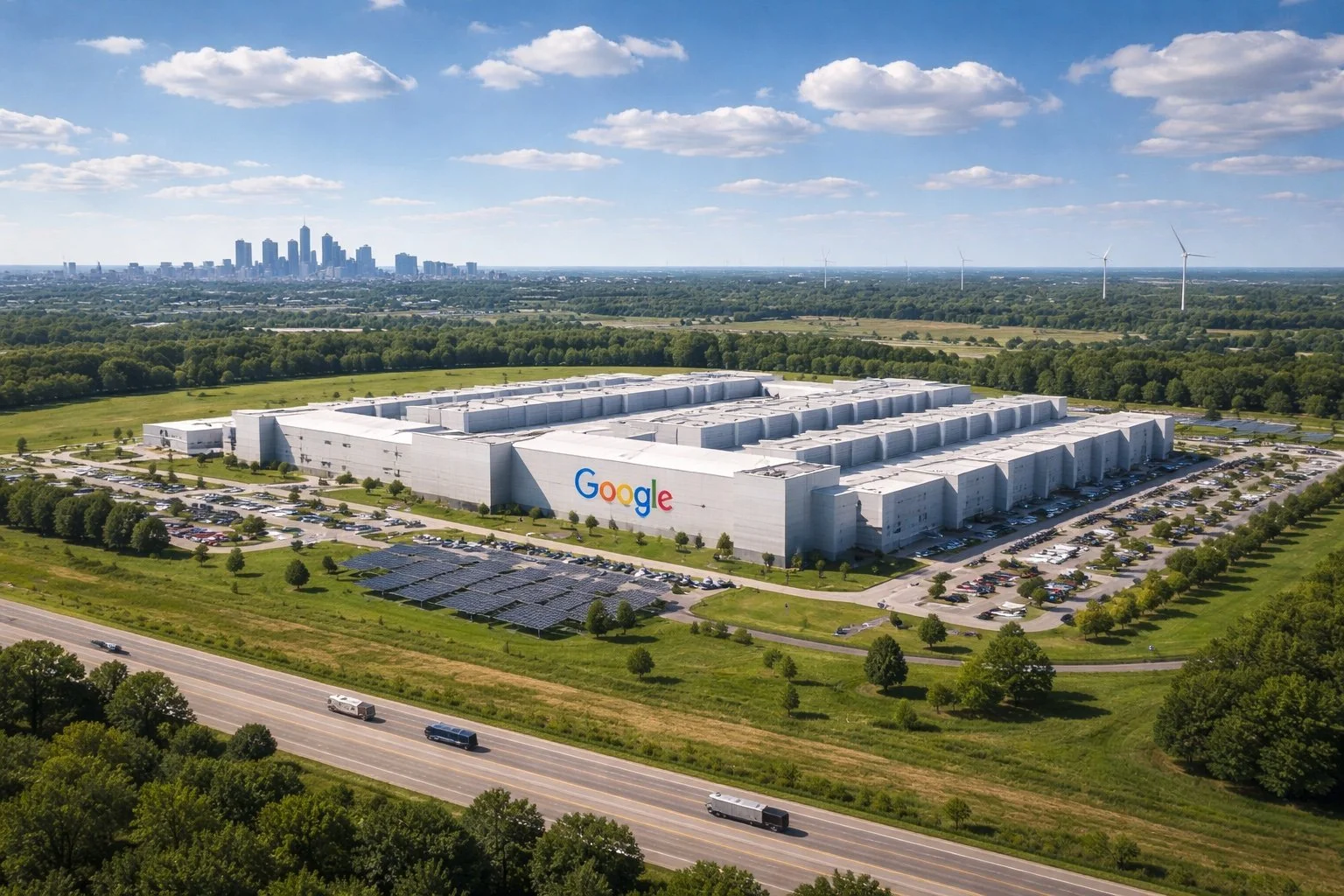
Lately, we’re seeing a familiar cycle begin again in Kansas City. A major employer makes a long term commitment to the Northland, and the initial reaction is excitement. Headlines move fast. Social feeds move faster. But housing decisions rarely move at the same speed.
In real transactions, this shows up as a pause rather than a surge. Buyers start asking different questions. Sellers begin to reassess timing. Investors quietly run numbers. The real estate impact is rarely explosive. It is layered, gradual, and behavioral.
One pattern that keeps coming up is this: large scale employment announcements change confidence first, and only later do they change inventory, construction, and pricing patterns.
Confidence Moves Before Construction
The observable market pattern is subtle at first. We see more exploratory conversations. A question we’re hearing more often is, should we get ahead of this or wait to see how it unfolds? That shift in tone matters more than any immediate uptick in activity.
Why it is happening comes down to human behavior. When a stable, globally recognized employer commits to physical infrastructure in a region, it signals durability. Not hype. Durability. That reassurance influences both employees and long time residents who may have been sitting on the fence about moving within the metro.
Recently, we worked with a Northland homeowner who had considered downsizing for nearly two years. They were not motivated by urgency. But once they sensed stronger long term employment stability in their area, they decided it was a safer time to make a move closer to family. Nothing dramatic. Just increased certainty.
The tradeoff is timing risk. Acting early can position you ahead of broader demand, but it also means moving before all variables are clear. Waiting provides more clarity but potentially less leverage.
Over the next five years, confidence driven moves will likely compound quietly rather than spike suddenly.
Land Conversations Get Louder
Another pattern that deserves more attention is how quickly land discussions reenter the conversation. Even if a large employer is not directly building housing, infrastructure commitments often redirect attention toward surrounding undeveloped parcels.
Where people are getting tripped up right now is assuming any nearby land automatically becomes prime residential opportunity. That is rarely how it works.
In real transactions, this shows up as buyers calling about acreage they have driven past for years. A parcel that sat unnoticed suddenly feels strategic. But zoning, utility access, traffic studies, and school district boundaries still govern outcomes.
We recently fielded a call from a buyer who wanted to secure a small tract near an announced commercial site, believing builders would soon follow. After reviewing planning overlays and municipal development patterns, it became clear the land was better positioned for light industrial use than residential. That nuance matters.
The tradeoff here is between speculation and suitability. Land can appreciate based on proximity to employment, but only if it aligns with long term development plans.
Five years from now, the parcels that win will be the ones that match municipal infrastructure expansion, not just those closest to a headline.
Rental Demand Adjusts Before For Sale Inventory
Lately, we’re seeing rental market conversations surface almost immediately when long horizon employment projects are announced. Even when build out timelines stretch years, contractors, engineers, and transitional staff often arrive earlier than expected.
In real transactions, this shows up as investors asking whether now is the right time to reposition or hold. It also appears in owner occupied duplex and fourplex inquiries in neighborhoods with strong commuter access.
Why it is happening is straightforward. Not every incoming employee buys immediately. Many relocate in phases. Some test the region before committing. Others are on contract timelines. Rental inventory absorbs that early movement before resale housing feels it.
A Northland client who owns several small multifamily properties recently asked whether to sell while values feel steady or hold for potential incremental rent growth. After reviewing vacancy patterns and tenant profiles, the decision leaned toward holding with modest upgrades rather than aggressive rent pushes.
The tradeoff is between short term liquidity and long term yield. Selling now captures certainty. Holding requires patience and property management discipline.
Over a five year window, stable employment nodes tend to support gradual rent resilience more than dramatic spikes.
Owner Psychology Shifts Quietly
Perhaps the most overlooked pattern is psychological. When a region attracts infrastructure level investment, long time homeowners interpret it as validation.
One pattern that keeps coming up in listing consultations is this: sellers feel less urgency. They believe their area is gaining credibility. That subtle shift changes negotiation posture.
Why it is happening is rooted in identity. People want to live in areas perceived as advancing rather than plateauing. When their community feels chosen rather than overlooked, they anchor to that narrative.
We recently met with homeowners who had considered relocating south of the river for lifestyle reasons. After hearing of significant investment nearby, they paused. Instead of selling immediately, they began exploring renovation options, believing their neighborhood may strengthen over time.
The tradeoff becomes lifestyle versus anticipated appreciation. Staying may support equity growth, but it may delay desired personal changes. Moving captures present goals but forfeits potential upside.
Five years out, psychology often proves as influential as economics in shaping neighborhood trajectories.
Infrastructure Follows Employment, But Not Instantly
A final layer worth considering is infrastructure timing. Roads, utilities, and supporting commercial services evolve in response to sustained demand, not anticipation alone.
A question we’re hearing more often is, will traffic become unbearable? Or, will new amenities follow? The honest answer is that both can occur, but rarely overnight.
In real transactions, this shows up as buyers weighing commute patterns and school access more carefully than proximity to a new facility. They want to understand flow, not just geography.
We advised a relocating buyer who initially focused solely on distance to a major employment site. After mapping traffic patterns and planned road expansions, they ultimately chose a neighborhood slightly farther away but with better long term infrastructure alignment.
The tradeoff is convenience today versus infrastructure tomorrow. Choosing solely on immediate proximity may overlook long term congestion realities.
Across five years, infrastructure typically stabilizes and improves, but those early years can feel transitional.
What This Means If You’re Actually Moving
• Do not assume immediate price acceleration simply because a major employer commits locally
• Evaluate land based on zoning and utilities, not excitement
• Consider rental flexibility if relocation timing feels uncertain
• Assess commute patterns with future traffic in mind, not current maps alone
• Separate emotional optimism from financial modeling
• Make decisions based on your life timeline, not speculative momentum
The Fosgate Perspective
When large employers choose the Northland, it is easy to overestimate short term impact and underestimate long term influence. The misunderstanding we see most often is the belief that everything changes at once. In reality, the shift unfolds in layers of confidence, planning, infrastructure, and behavior. If you were sitting across from us at a kitchen table, we would tell you this quietly: let stability inform your decision, but let your personal timeline lead it. Markets reward patience more often than speed.