Rising Global Investment And Your Next Sun Belt Move
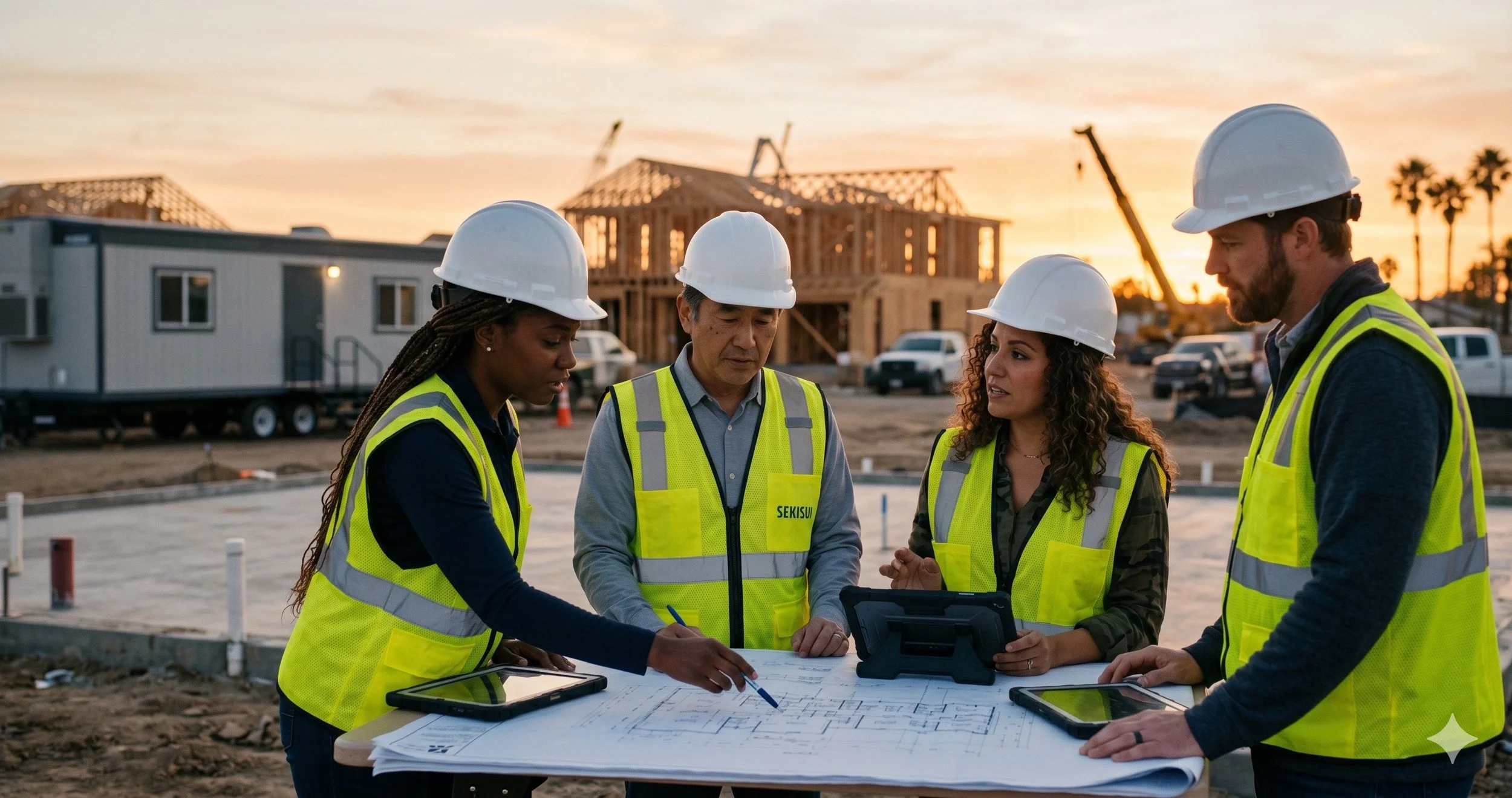
The landscape of American homebuilding is shifting beneath our feet, and the latest data reveals a massive wave of international capital flowing directly into the neighborhoods where you live and invest. While you were watching local listings, global giants like Daiwa House and Sekisui House were quietly becoming some of the biggest players in the U.S. market.
Data Snapshot
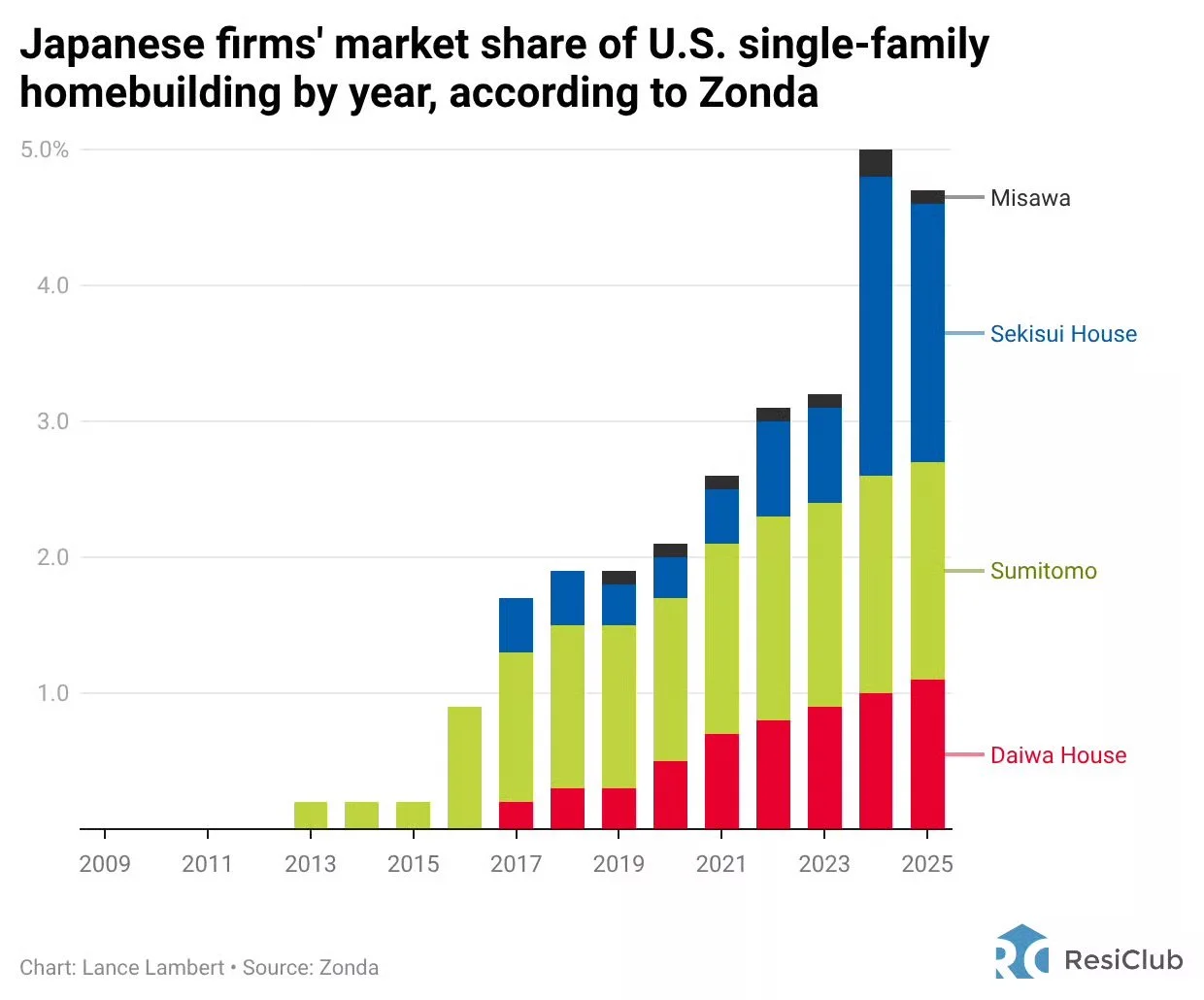
Market Growth: Japanese firms owned just 0.2 percent of the U.S. homebuilding market in 2015, a figure that climbed to 4.7 percent by 2025.
Projected Share: Following a string of recent high profile deals, Japanese firms are estimated to control more than 5.5 percent of the single family market.
Major Acquisitions: In early 2024, Sekisui House acquired M.D.C. Holdings for 4.9 billion dollars.
Recent Transactions: A single five week window in early 2026 saw four major U.S. builders acquired by Japanese firms, including Tri Pointe Homes for 4.5 billion dollars.
Future Targets: Sumitomo Forestry has set a goal to deliver 23,000 homes annually in the United States by the year 2030.
The Strategic Shift To American Soil
Why are these global powerhouses betting billions on U.S. rooftops? The answer is a blend of demographic necessity and financial opportunity. Japan is currently facing a rapidly shrinking and aging population, which naturally limits long term growth for homebuilders at home. By contrast, the United States continues to see steady population growth and household formation, particularly across the Sun Belt markets.
These international firms aren't just bringing cash. They are utilizing their access to lower borrowing costs in Japan to scale operations here while keeping local management teams in place. This means your next home might be built by a brand you have known for decades, but with the financial backing of a global conglomerate focused on twenty five plus years of domestic growth.
Innovation Meets Local Expertise
The arrival of these well capitalized players is changing how the industry operates. Beyond simple acquisitions, firms like Sekisui House are introducing proprietary builder brands such as Shawood to the American market. This influx of capital and new construction methodology is designed to increase efficiency and scale, potentially helping to address the ongoing housing shortage in high growth metros.
Pro-Tip: When evaluating new construction, look beyond the local name on the sign and research the parent company. Builders backed by global capital often have more robust warranties and better access to materials during supply chain crunches, giving you a significant edge in long term property value.
The Fosgate Perspective
At Team Fosgate, we see this global investment as a massive vote of confidence in the long term health of the U.S. housing market. These firms are not looking for quick flips: they are investing in decades of projected demand. Whether you are a first time buyer or a seasoned investor, the backing of global capital into local homebuilders suggests that the Sun Belt expansion is far from over.
Are you ready to position yourself in a high growth market backed by global confidence? Contact our team today for a curated list of new construction opportunities.