The Home Maintenance Patterns That Quietly Affect Home Value in Kansas City
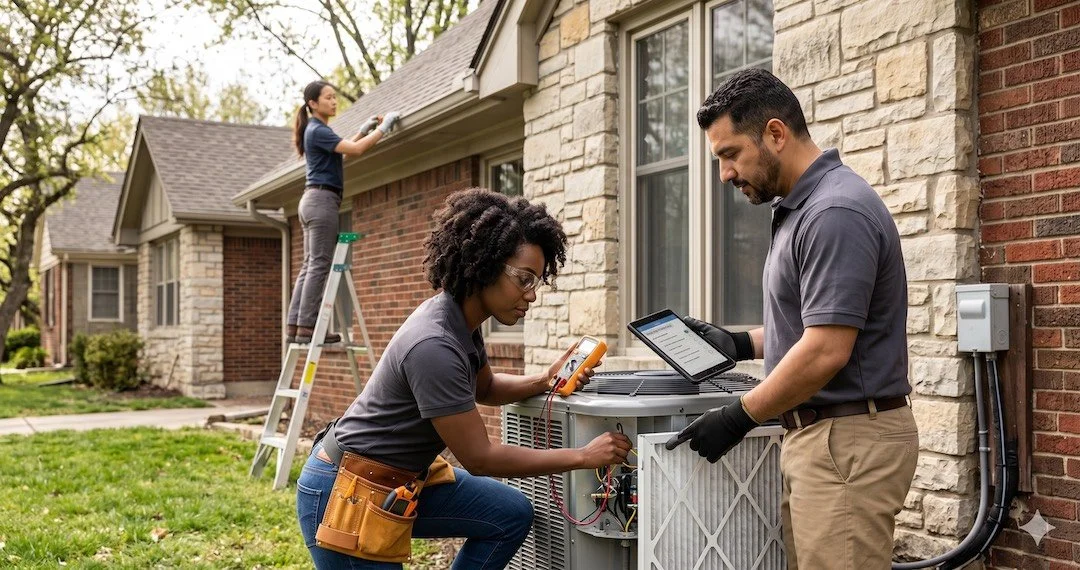
A surprising number of home problems do not begin with major failures. They begin with small seasonal maintenance tasks that were delayed, overlooked, or never fully understood in the first place. In the Kansas City market, where homes experience freezing winters, heavy spring rains, intense summer heat, and wide temperature swings throughout the year, the condition of a property is often tied directly to how consistently routine maintenance has been handled over time.
Lately, we’re seeing buyers pay closer attention to the operational condition of homes, not just cosmetic updates. Fresh paint and staged rooms still matter, but buyers are increasingly focused on signs that a home has been cared for consistently through the seasons. HVAC performance, roof condition, drainage, windows, insulation, exterior caulking, and moisture management are now part of everyday buyer conversations in a way they were not several years ago.
One pattern that continues to develop is the growing gap between homes that feel proactively maintained versus homes that feel reactive. Buyers are becoming more sensitive to deferred maintenance because repair costs, insurance concerns, and contractor availability have all become more significant parts of ownership planning. What used to feel like a manageable future project can now feel like an immediate financial risk.
Why Seasonal Maintenance Matters More Than Many Owners Realize
Kansas City homes experience a particularly wide range of environmental stress. Freeze-thaw cycles affect foundations and exterior materials. Humid summers strain HVAC systems. Heavy rain events expose drainage problems quickly. Wind and hail create ongoing roof and siding wear. Seasonal maintenance is not simply about appearances. It is part of protecting the lifespan of the property itself.
A key part of this situation is that many home systems fail gradually before they fail visibly. Gutters that are partially clogged may not create obvious problems until a heavy rainstorm overwhelms drainage around the foundation. HVAC filters that are not regularly changed reduce airflow long before the system stops working entirely. Exterior caulking around windows and doors deteriorates slowly, allowing moisture intrusion and efficiency loss over time.
The part that deserves closer attention is how interconnected these systems really are. A neglected gutter issue can contribute to foundation settlement. Poor attic ventilation can shorten roof lifespan. Improper grading around a home can eventually affect basements, crawl spaces, landscaping, and even interior air quality. Seasonal maintenance is less about isolated chores and more about protecting how the entire structure functions together.
In practice, buyers often interpret visible maintenance quality as an indicator of invisible maintenance quality. If small issues appear unresolved, buyers may begin wondering what larger systems have also been neglected. That affects confidence, negotiations, inspection outcomes, and ultimately perceived value.
The Seasonal Areas Buyers and Inspectors Notice First
Every season tends to expose different types of concerns in a home. Spring often reveals drainage issues, foundation movement, sump pump failures, roof damage, and moisture intrusion after winter weather. Summer highlights cooling efficiency, exterior deterioration, landscaping management, and deck wear. Fall becomes heavily focused on gutters, roofing, insulation, and preparing homes for colder weather. Winter exposes draft issues, heating performance, ice dam risks, and plumbing vulnerabilities.
What’s unfolding here is that buyers have become more educated about these issues than they once were. Inspection reports are more detailed. Insurance carriers are more cautious about roof age and water claims. Utility costs have become more visible factors in ownership decisions. Even online listing photos now sometimes reveal deferred maintenance issues before a showing ever occurs.
Certain maintenance items consistently draw attention during inspections:
• Roof condition and visible aging
• Water drainage around the foundation
• HVAC servicing and filter maintenance
• Signs of moisture intrusion
• Exterior wood rot or caulking failure
• Window efficiency and seal deterioration
• Tree limbs hanging near roofing
• Deck stability and safety concerns
• Gutter performance and downspout placement
• Attic ventilation and insulation consistency
Where this becomes more complex is that many homeowners unintentionally focus on cosmetic improvements while overlooking operational systems. A remodeled kitchen may attract attention initially, but inspection negotiations often center around roofs, HVAC systems, plumbing concerns, grading, and water management. Buyers tend to become far more cautious when they sense future repair exposure.
The Growing Financial Side of Deferred Maintenance
The economics behind home maintenance have changed significantly over the last several years. Labor shortages, material costs, insurance pressures, and rising repair expenses have altered how buyers evaluate property conditions. Small maintenance issues that once felt relatively inexpensive can now lead to larger repair estimates much faster.
One pattern that continues to develop is the growing sensitivity around insurance underwriting. Older roofs, evidence of water intrusion, aging HVAC systems, and deferred exterior maintenance are receiving closer scrutiny from carriers. In some situations, buyers are discovering insurance complications during escrow that create unexpected delays or additional expenses.
A key part of this situation is that preventive maintenance almost always costs less than reactive repairs. Seasonal HVAC servicing costs substantially less than emergency system replacement during peak weather. Routine gutter cleaning is far less expensive than foundation drainage repair. Maintaining exterior paint and caulking helps avoid structural moisture damage later.
The part that deserves closer attention is the compounding nature of deferred maintenance. Most major repair situations begin as manageable smaller issues. When routine upkeep is delayed repeatedly over multiple seasons, homes often begin accumulating layered problems that become harder and more expensive to resolve all at once.
For sellers, this increasingly affects market positioning. Buyers may tolerate cosmetic imperfections if operational systems feel reliable. They are much less forgiving when homes feel uncertain mechanically or structurally. Even in stronger markets, deferred maintenance tends to reduce leverage during inspections and negotiations.
How Seasonal Maintenance Influences Marketability
Homes that present as consistently maintained tend to create smoother transactions overall. Buyers perceive less risk. Inspections feel less confrontational. Repair negotiations become more manageable. Lenders and insurers encounter fewer concerns. The emotional confidence buyers feel inside a home often comes from sensing stability and care rather than simply seeing updated finishes.
Lately, we’re seeing more buyers ask practical ownership questions during showings:
When was the HVAC last serviced?
How old is the roof?
Have the gutters been cleaned recently?
Was the sump pump tested this season?
Have trees been trimmed away from the house?
These are not unusual questions anymore. They reflect a broader shift toward long-term ownership thinking. Buyers are trying to understand future operating costs and maintenance exposure before committing.
What this means in practice is that routine maintenance documentation has become more valuable. Service records, HVAC inspections, roof repairs, seasonal upkeep schedules, and preventative improvements help reinforce buyer confidence. Homes that can demonstrate consistent care often feel easier and safer to purchase.
For homeowners planning to stay long term, seasonal maintenance also helps preserve flexibility. A well-maintained home gives owners more control over timing if they eventually decide to refinance, sell, relocate, or access equity. Deferred maintenance tends to reduce options precisely when flexibility becomes most important.
What This Means If You’re Actually Moving
Buyers are increasingly evaluating how expensive a home may feel to maintain after closing, not just the purchase price itself.
Sellers who address small maintenance items before listing often reduce inspection friction and buyer hesitation.
Seasonal upkeep records can strengthen buyer confidence during negotiations.
Deferred maintenance now carries greater financial impact because repair and insurance costs have risen significantly.
Exterior drainage and moisture management are becoming higher-priority concerns in the Kansas City market.
Homes that feel operationally reliable are often competing better than homes relying only on cosmetic updates.
Timing seasonal repairs before listing can help prevent weather-related issues from surfacing during inspections.
The Fosgate Perspective
One misunderstanding we often see is the assumption that buyers only care about visible upgrades. In reality, many experienced buyers are looking past surface finishes and trying to evaluate how the home has been cared for over time. A house that feels consistently maintained creates a very different level of confidence than one that appears cosmetically updated but operationally uncertain. In today’s market, seasonal maintenance is not just about avoiding repairs. It is increasingly tied to marketability, negotiation strength, insurance viability, and the overall stability buyers believe they are purchasing.