

Keys to the Market
Unlocking Insights, One Door at a Time

Are Investors Actually Buying Up All the Homes?
It's a common belief that large institutional investors are dominating the home buying market, but data shows this isn't the case. Most real estate investors are small-scale, owning just a few properties. Additionally, institutional investor purchases have significantly declined; they constituted only 0.3% of home sales by Q3 2024, down from 2.4% at their peak in Q2 2022. This reduction is mainly due to less favorable market conditions like higher mortgage rates and home prices. Understanding that big investors are less active could reassure potential homebuyers about their chances in the current market.

How To Buy a Home Without Waiting for Lower Rates
Mortgage rates are expected to stay around 6.5-7%. Don't wait for a significant drop; consider alternatives:
Mortgage Buydowns - Pay upfront to lower rates temporarily, popular with first-timers.
Adjustable-Rate Mortgages (ARMs) - Start with lower rates; safer post-2008 with better borrower qualifications.
Assumable Mortgages - Take over the seller's lower rate loan; over 11 million homes qualify.
Discuss these with a lender to find what suits you. How does this influence your homebuying plans?

Should I Update My House Before I Sell It?
With more homes for sale and buyers being more selective, it’s smart to make strategic updates. But how do you decide what’s worth doing? You lean on an agent. An agent will be able to tell you what buyers want, quick wins that’ll have a big impact, and what projects have the best ROI. What projects are on your to-do list before selling? With only a month left before spring, let’s connect so you know what’s worth the time and effort.
Seller Concessions: A Smart Strategy To Get Your House Sold
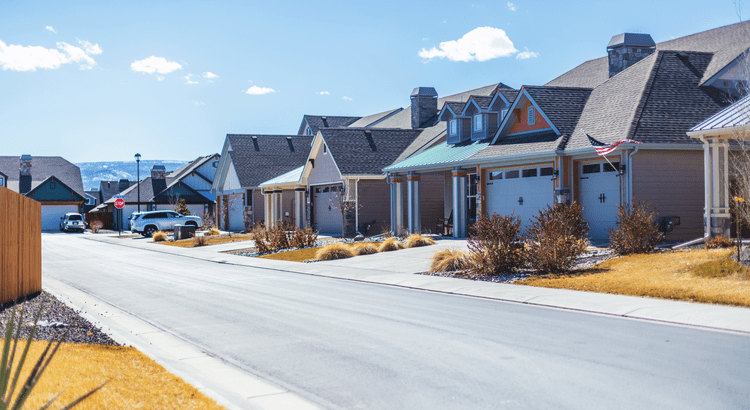
With market balance, concessions like covering closing costs, price adjustments, or home warranties are increasing, with 24% of sellers in 2024 offering them. These reduce profit at closing, not additional costs, and might include leaving items. They facilitate deals by addressing buyer issues. An agent's guidance is key for negotiation. What concession would you consider?

The Return to Urban Living — Why More People Are Moving Back to Cities
Urban living is on the rise with 16% of people moving to cities, the highest in a decade. Key reasons include: 1) Vibrant Culture - cities offer cultural hubs with endless activities. 2) Proximity to Work - hybrid work models make commuting easier. 3) Convenience - easy access to transport, healthcare, etc. If you own a suburban home, selling it can provide equity for a city move, despite smaller spaces. What's your favorite city aspect? Let's find you an urban home.

Buying a Home May Help Shield You from Inflation
Buying a home can serve as a defense against inflation because a fixed-rate mortgage keeps your housing costs stable, unlike rent which typically increases faster than inflation. Additionally, home values generally appreciate at a rate above inflation, boosting your wealth. This stability in payments and potential appreciation make homeownership a strategic move during inflationary times, offering both budget predictability and long-term financial growth.

Are You Asking Yourself These Questions About Selling Your House?
Common concerns for sellers include timing, finding a suitable new home, and buyer interest. Home values are up, providing funds for moving despite rates. Inventory has increased by 25%, improving options. Despite conditions, 4.24 million homes sold last year, showing ongoing demand. Discuss with an agent for clarity on your move. What's your biggest concern?

Why You’ll Love Owning a Home
Owning a home comes with many benefits, both non-financial and financial. From the sense of accomplishment and freedom of expression, to growing your net worth, it’s easy to fall in love with homeownership. What’s the top reason you’d love to own a home? Let me know and we’ll come up with a plan that makes it possible.

The Secret To Selling This Spring: Start the Prep Work Now
Spring is prime time for selling homes due to high buyer activity. Start prepping now, about a month before spring, as the market has more listings, and buyers are choosy. Common projects include replacing water heaters, HVAC, and flooring, focusing on energy efficiency. Prioritize repairs wisely; focus on high ROI projects like roofing or flooring. Consult with a local real estate agent to ensure you're making cost-effective upgrades that appeal to buyers. Let's connect to prioritize your to-do list for the best outcome.

Breaking Into the Market: Smart Moves for First-Time Buyers
Consider your first home as a stepping stone to build equity, not your forever home. Expand your search to find affordable options by looking in surrounding areas or states. A real estate agent can help find cost-effective local options or hidden gems in nearby communities, allowing you to start building equity and setting up for future moves.

A Record Percent of Buyers Are Planning To Move in 2025 – Are You?
According to a NerdWallet survey, a record 15% of people plan to buy a home this year, up from 9-11% since 2020, indicating pent-up demand. While not a flood, this suggests increased market activity. Many buyers have started their search online, likely peaking this spring. With the right preparation, pricing, and marketing, your house can be prominently featured to these buyers.
What do you think these buyers will love most about your house? Let’s talk it over and make sure it’s front and center in your listing.
Home Price Growth Is Moderating – Here’s Why That’s Good for You
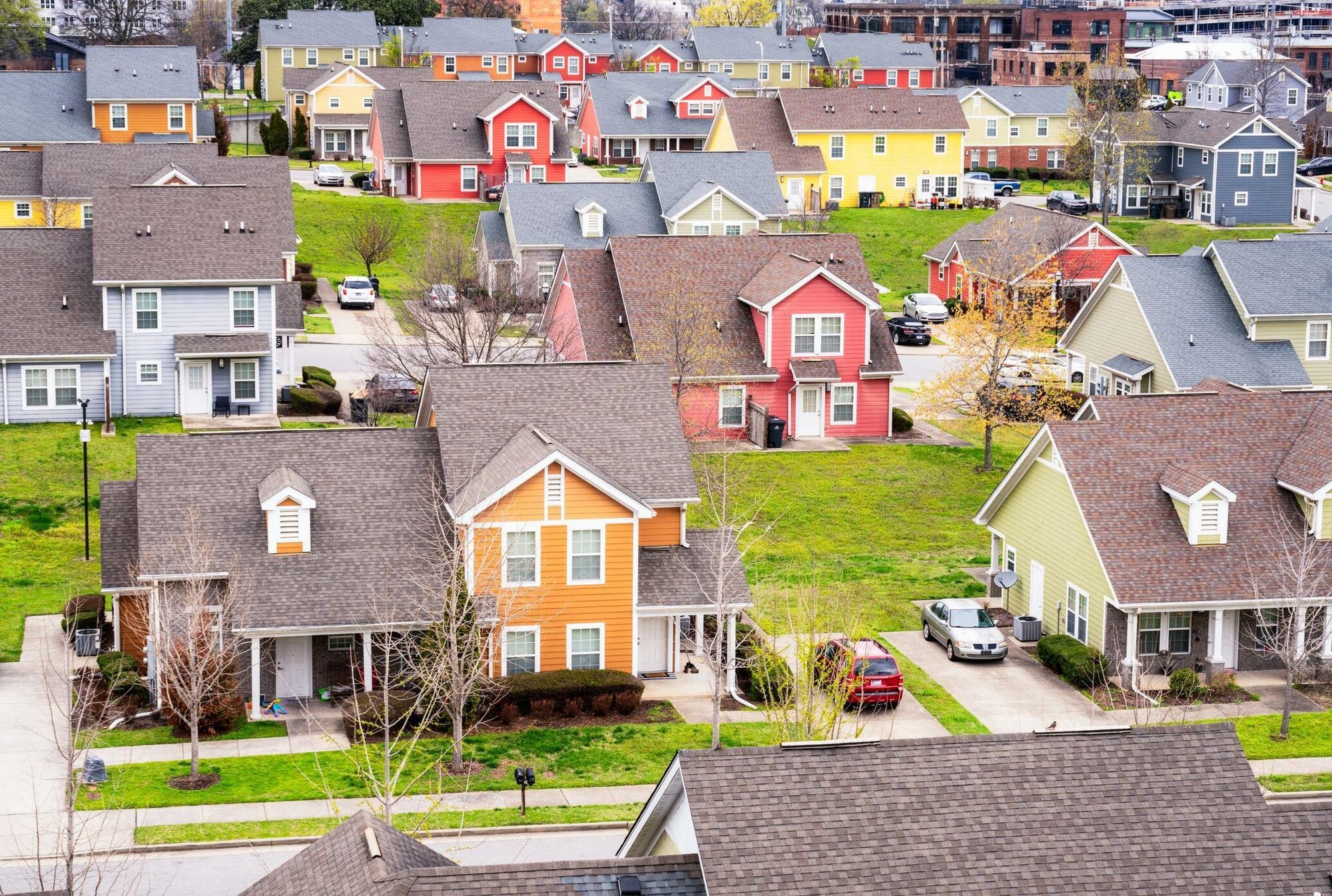
The rapid increase in home prices over recent years has slowed to a more moderate pace, with a national year-over-year increase of just 3.8% in November. This normalization allows for a more predictable buying environment, reducing the shock of price jumps and making ownership more reachable. Prices vary by location; some areas in the Midwest see demand, while others are cooling. Understanding your local market with a real estate agent is key. This steady growth still promises future equity increases.

Why Buying a Home Now Is Your Winning Play
You may be sitting on the sidelines wondering if it’s better to buy now or wait. But buying before the spring rush may be a game-changing decision. Moving this winter can give you significant advantages, like less competition, more negotiating power, and lower prices. If you’re able to buy now, stay ahead of the game and outrun the competition. To tackle your homebuying plans this year, let’s connect.

The Perks of Buying a Fixer-Upper
Buying a fixer-upper can be a smart move for homeownership in today's market due to lower upfront costs, less buyer competition, and the potential to quickly build equity. These homes require renovations ranging from cosmetic to structural. Before committing, consider your renovation gameplan, prioritize repairs, evaluate location, get a home inspection, budget for unexpected costs, and explore financing options. This approach can turn an imperfect house into your perfect home.

The 3 Biggest Mistakes Sellers Are Making Right Now
Sellers are currently making three critical errors: overpricing their homes, neglecting necessary repairs, and being inflexible in negotiations. Overpricing deters cautious buyers, leading to price reductions. Skipping repairs can signal larger issues to buyers, lowering offers. Refusing to negotiate can lose sales due to the competitive market. An expert real estate agent can prevent these pitfalls by providing market insights, advising on repairs, and facilitating negotiations, making not using an agent the biggest mistake of all.

Buyer Bright Spot: There Are More Homes on the Market
Home inventory has increased significantly, with existing home listings up by 22% and further growth expected. One in three homes on the market is newly built, often at more affordable prices. This surge in available homes, both existing and new, provides buyers with more options, enhancing the likelihood of finding the right home within budget.

The Real Benefits of Buying a Home This Year
Owning a home is a key step in building long-term wealth, contrasting sharply with the escalating costs of renting. Homeownership allows you to convert monthly payments into equity, enhancing your net worth as property values rise. While renting may seem less daunting initially, it typically involves increasing expenses without financial return. If feasible, buying a home not only provides stability but also contributes to your financial growth, making it a wise investment for your future.

Time in the Market Beats Trying To Time the Market
Are you torn between whether to buy a home now or wait? Consider this. Forecasts show prices will climb for at least the next 5 years. If you wait, the price of a home will be higher later on. But, if you buy a $400K now, you could gain roughly $83K in equity as prices rise. If you're able to buy now, this equity is one reason why it'll be worth it in the long run. Let’s connect if you're ready to talk through ways we can make it happen.

The Secret To Selling? Using an Agent To Get Your House Noticed
Marketing is crucial in selling your home. Working with a skilled real estate agent who uses effective marketing strategies can make a significant difference. Agents leverage tools like the MLS for visibility, yard signs for local interest, open houses to spark competition, online presence through websites and social media, virtual tours, and targeted email campaigns. These methods enhance your home’s exposure, attracting serious buyers and potentially speeding up the sale process. Choose an agent who goes beyond basic listings to actively promote your property.
Two Resources That Can Help You Buy a Home Right Now
Despite financial hurdles, achieving homeownership is still possible with the right assistance. Here are two resources that can help:
1 FHA Loans: Ideal for those with lower credit scores or minimal down payment savings, FHA loans require as little as 3.5% down and are flexible with credit requirements.
2 Homeownership Assistance Programs: There are over 2,000 programs in the U.S., many offering significant down payment assistance, with an average benefit of $17,000. Some programs can even be combined to further boost your buying power.
Connecting with a knowledgeable lender and real estate agent can help you navigate these options and bring you closer to owning your first home.