When a Data Center Becomes a Housing Conversation
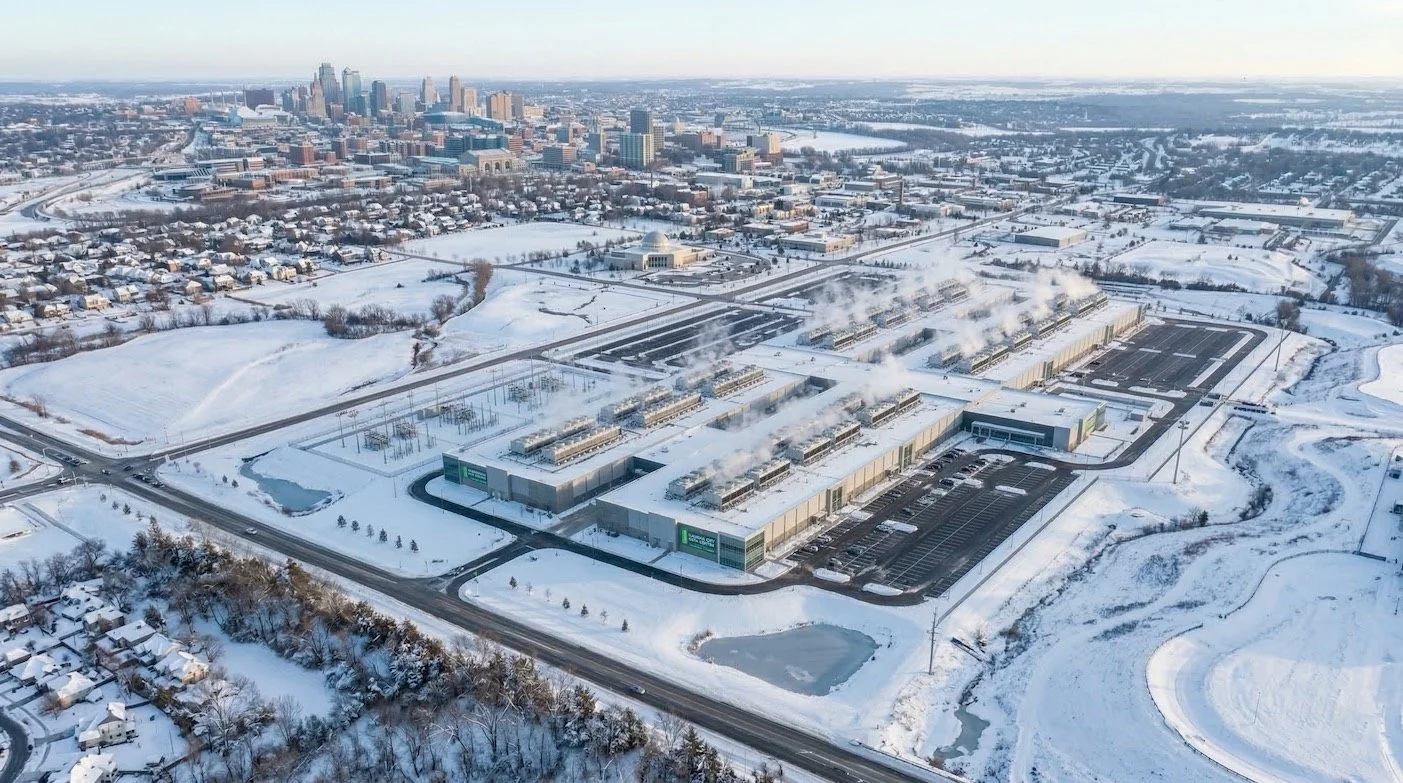
Lately, we’re seeing more conversations across the Kansas City metro where large technology projects begin influencing how people think about housing decisions. What might appear at first glance to be a purely economic development story quickly becomes a neighborhood conversation about growth, infrastructure, and long term community change.
A question we’re hearing more often is how projects tied to artificial intelligence and cloud computing might shape housing demand around the region. In real transactions, this shows up as buyers asking about areas they previously had not considered, particularly when a large corporate investment is paired with significant public incentives.
One pattern that keeps coming up right now involves a major proposed technology campus in Independence, Missouri. City leaders recently approved billions of dollars in long term tax abatements tied to a massive data center project near the Little Blue Valley area on the eastern edge of the city. The facility has been described by its developers as an AI factory designed to power the next generation of artificial intelligence infrastructure.
The scale of the incentive package has sparked an unusually intense local debate, and that debate is starting to spill into the way people talk about housing across the eastern side of the metro.
Why the AI Factory Is Generating So Much Attention
One pattern that keeps coming up is how unfamiliar many people are with what a modern data center actually represents. For years, data centers were largely invisible pieces of infrastructure tucked into industrial zones. What is different now is the role artificial intelligence is playing in the technology economy.
The Independence project has been described by proponents as a massive computing campus that could position the Kansas City region as part of the infrastructure supporting AI development. These facilities require enormous electrical capacity, advanced cooling systems, and significant land footprints.
In real transactions, this shows up as buyers trying to understand whether a project like this behaves more like a traditional industrial development or more like a long term technology anchor. A buyer we spoke with recently asked whether the facility would resemble a factory with heavy truck traffic or something closer to a quiet technology campus.
The tradeoff is that large AI computing facilities create significant infrastructure investment but often employ far fewer workers than traditional manufacturing plants. Over a five year horizon, the economic impact depends less on the building itself and more on whether supporting businesses and additional technology investment follow.
The Role of the Tax Abatement in the Debate
Where people are getting tripped up right now is the sheer size of the tax incentives attached to the project. The Independence City Council recently approved a development agreement that includes billions of dollars in long term property tax abatements intended to attract the project to the community.
Supporters argue that these types of incentives are necessary to compete for large scale technology infrastructure. Data center developers evaluate locations based on electricity access, fiber connectivity, and long term operating costs. Local tax structures can play a significant role in where these facilities ultimately land.
In real transactions, this shows up as homeowners asking how incentives affect local tax bases and city services. A seller we recently worked with in eastern Jackson County had multiple buyers ask whether large abatements shift future tax burdens onto residents.
The tradeoff is between immediate public revenue and long term economic positioning. Cities often use incentives to attract projects that might otherwise choose another region entirely. Over a five year period, the success of that strategy depends on whether the development generates broader economic activity beyond the initial facility.
What Supporters Believe This Project Could Bring
Another pattern we’re seeing is how proponents of the project frame it as a long term technology investment for the region. Supporters point to the possibility of positioning the Kansas City metro as part of the national infrastructure supporting artificial intelligence development.
Large computing campuses require enormous energy capacity, high speed data networks, and specialized construction. Those requirements can create ripple effects in local infrastructure investment and construction employment.
In real transactions, this shows up as buyers who view these types of projects as signals of regional economic momentum. A relocation client we spoke with recently interpreted the project as evidence that technology companies are beginning to see the Kansas City region as a viable long term location for digital infrastructure.
The tradeoff here is that the economic benefits often arrive in phases. Construction activity may produce short term economic movement, while the long term operational footprint tends to be smaller but more stable. Over a five year horizon, the real question becomes whether additional technology projects follow the initial investment.
What Opponents Are Concerned About
At the same time, a different pattern is emerging among residents who live near the proposed site. Opponents of the development have raised concerns about the scale of the tax incentives, the potential strain on public infrastructure, and the environmental footprint of a facility that could require massive amounts of electricity and water for cooling.
Many residents have argued that public resources should prioritize schools, infrastructure, and community services rather than large corporate incentives. Others worry about the precedent that such a large abatement package could set for future development negotiations.
In real transactions, this shows up as buyers who want clarity about how large infrastructure projects affect surrounding communities. A couple considering homes in eastern Jackson County recently asked whether the project would change traffic patterns, utility infrastructure, or nearby land use planning.
The tradeoff in these debates is rarely simple. Large economic development projects often require cities to balance long term economic ambitions with immediate community concerns. Over a five year period, the durability of public support tends to depend on how transparently those tradeoffs are addressed.
How Housing Markets Typically Respond to Projects Like This
The part that deserves more attention is how slowly housing markets actually react to large infrastructure projects. Announcements and approvals can generate immediate conversation, but housing demand typically follows real economic activity rather than the initial announcement.
In real transactions, this shows up as curiosity rather than immediate price movement. Buyers begin researching areas they may not have previously considered. Sellers ask whether timing their listing around future development could matter.
The tradeoff is between reacting to headlines and observing real economic change. Housing markets tend to respond when projects translate into sustained employment, infrastructure expansion, and population movement.
Over the next five years, what matters most will not be the announcement itself but whether the surrounding region experiences broader economic growth tied to the technology infrastructure being built.
What This Means If You’re Actually Moving
• Large technology infrastructure projects often create conversation long before they change housing demand
• Tax abatement debates can temporarily influence buyer confidence in nearby communities
• Data centers tend to create more infrastructure investment than direct employment
• Housing markets usually respond to long term job growth rather than initial announcements
• Political debate around incentives can create short term uncertainty in local real estate conversations
• Buyers considering nearby areas should focus on long term regional economic trends rather than early speculation
• Most housing shifts tied to projects like this occur gradually over several years
The Fosgate Perspective
One thing we often remind clients is that large economic development projects rarely change housing markets overnight, even when the incentives and headlines are substantial. The real story tends to unfold slowly as infrastructure, employment, and supporting businesses develop around the project. What we would quietly say to a past client is this: pay attention to the direction of a region, but make housing decisions based on how you want to live today. When those two things align, you tend to make much better long term decisions.