The Quiet Shift Behind Kansas City’s Most Visible Address
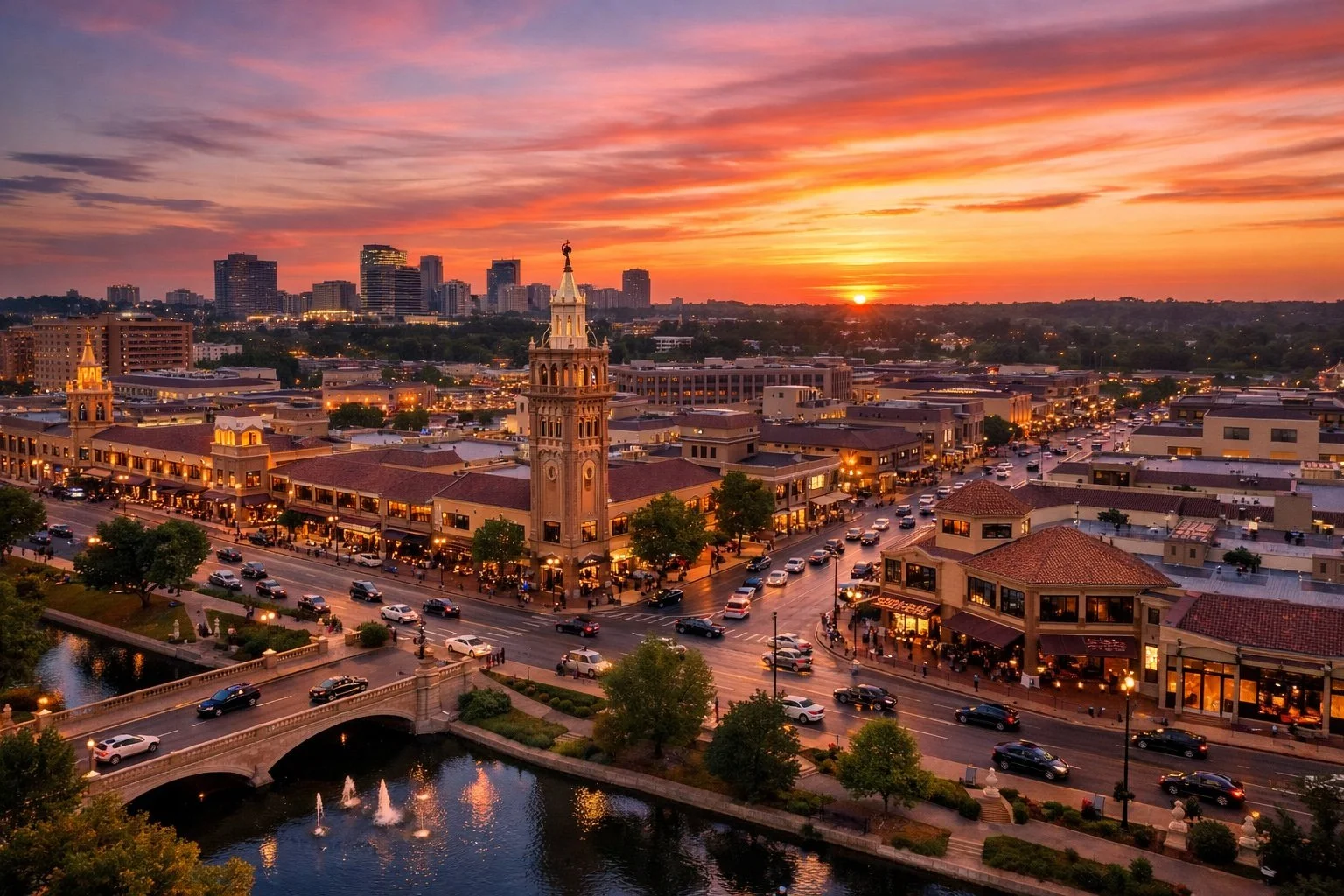
Lately, we’re seeing more conversations circle around the future of some of Kansas City’s most recognizable areas, and not in the way most people expect. The focus is not just on buildings or tenants or even redevelopment timelines. It is increasingly about how these places are being financially supported and what that means for stability.
For many buyers and sellers, places like the Plaza have always felt like constants. They represent permanence, identity, and a certain level of predictability. But one pattern that keeps coming up in real conversations is a growing awareness that even the most established areas are evolving in ways that are less visible and more structural.
A question we’re hearing more often is not whether these areas will remain relevant, but how they will be sustained and what that signals for surrounding neighborhoods. The part that deserves more attention is not the headline change, but the underlying financial strategy that supports it.
The Shift From Stability to Active Management
One pattern that keeps coming up is that areas once considered self-sustaining are now being more actively managed through financial tools and incentives. What used to operate on momentum alone is now requiring intentional support to maintain its position.
Why this is happening comes down to changing consumer behavior, rising operating costs, and increased competition from newer developments that were designed for how people live today. Even legacy locations are having to adapt to keep pace.
In real transactions, this shows up as buyers asking more detailed questions about long-term area viability rather than just current appeal. We recently worked with a client who was drawn to a well-known area for its reputation, but paused after digging into how the area is being supported behind the scenes. The decision was not about fear, but about understanding durability.
The tradeoff here is subtle. Financial incentives can help stabilize and reinvest in an area, but they can also signal that organic demand alone is no longer enough. Over the next five years, the areas that balance both perception and performance will be the ones that continue to hold their position.
Perception Versus Function in Legacy Areas
A second pattern we are seeing is a widening gap between how people perceive an area and how it actually functions day to day. Reputation tends to lag reality, sometimes by years.
This is happening because people build emotional connections to places over time, but the underlying mix of tenants, traffic patterns, and usage can shift much more quickly. What felt vibrant five years ago may now operate very differently, even if the branding remains intact.
In real transactions, this shows up as buyers touring an area with certain expectations, only to recalibrate once they experience it firsthand. We recently had a situation where a buyer assumed a location would provide a certain lifestyle rhythm, only to realize that the day-to-day energy had changed. They ultimately chose a different area that better matched how they actually live.
The tradeoff here is between familiarity and alignment. Buying into a well-known area can feel safer, but it does not always guarantee that it fits your current lifestyle. Over the next five years, buyers who prioritize how an area functions rather than how it is perceived will make more durable decisions.
The Expanding Influence of Financial Policy on Local Real Estate
Where people are getting tripped up right now is underestimating how much financial policy influences real estate outcomes at a neighborhood level. These decisions are often quiet, but their impact is not.
Why this is happening is that large-scale properties and districts have ripple effects. Supporting them financially is not just about those specific locations. It is about maintaining tax bases, preserving employment centers, and protecting surrounding property values.
In real transactions, this shows up as increased scrutiny from more analytical buyers. We worked with a seller who assumed their home’s value was tied primarily to its features, but the buyer pool was just as focused on the broader area trajectory. That context influenced both pricing and negotiation.
The tradeoff here is complexity versus clarity. Financial support can create stability, but it can also introduce variables that are harder for the average buyer to interpret. Over the next five years, those who understand how policy and property intersect will have a meaningful advantage.
The Redefinition of Prime Locations
Another pattern that keeps coming up is that the definition of what makes a location prime is shifting. It is no longer just about recognition or history. It is about adaptability.
This shift is happening because newer developments are being designed with flexibility in mind. They account for changing work patterns, lifestyle preferences, and retail behaviors in a way that older areas must retrofit over time.
In real transactions, this shows up as buyers comparing established locations with emerging ones more directly than they used to. We recently guided a client who initially focused on a traditional high-profile area, but ultimately chose a newer neighborhood that offered a more cohesive live-work dynamic.
The tradeoff is between proven identity and future alignment. Established areas carry weight and recognition, but newer areas often align more closely with how people are actually living today. Over the next five years, the most resilient locations will be those that can evolve without losing their core identity.
What This Means If You’re Actually Moving
• Pay attention to how an area is being supported, not just how it looks today
• Ask questions about long-term sustainability, even in well-known neighborhoods
• Spend time experiencing areas at different times of day before making a decision
• Balance emotional attachment to a location with practical lifestyle alignment
• Understand that financial incentives are not inherently negative, but they do add context
• Evaluate nearby developments and how they may compete or complement the area
• Focus on how a location will function for you over time, not just how it is perceived today
The Fosgate Perspective
The misunderstanding we see most often is assuming that well-known areas operate on autopilot. They do not. They are being actively shaped, supported, and repositioned in ways that are easy to overlook if you are only paying attention to the surface. What we would quietly tell a past client is this. Stability is no longer about reputation alone. It is about how well an area is being managed behind the scenes and how closely it aligns with how people actually live. When you understand that, your decisions become far more grounded and far less reactive.