The Gravity of the Park: Reimagining the Urban Core
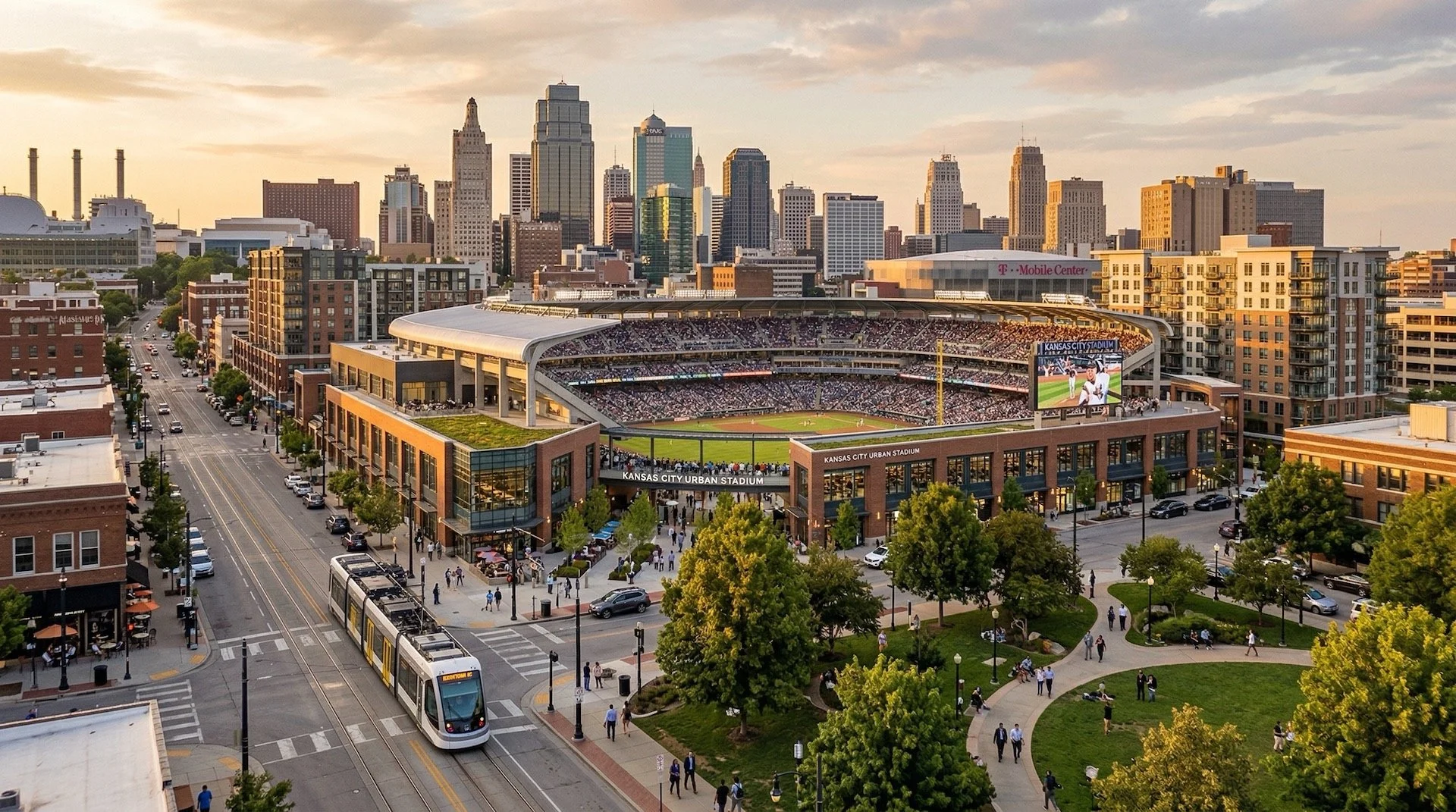
The recent proposal to anchor a new Kansas City Royals ballpark at Washington Square Park represents more than a sports venue move. It is a calculated pivot toward urban density and infrastructure utilization that avoids the political pitfalls of previous attempts. By selecting a site situated between Union Station and Crown Center, the city is betting on a seamless integration into the existing fabric of the streetcar line and established parking hubs.
This plan shifts the conversation from a tax increase to a strategic reinvestment of economic activity. The use of municipal bonds and state incentives reflects a sophisticated approach to financing that prioritizes speed and executive consensus over the unpredictability of a public ballot. It is a maneuver designed to finalize the city’s identity as a modernized metropolitan hub before the competitive window of regional interests closes.
The core of this strategy lies in the leverage of existing assets. Washington Square Park offers a rare opportunity for infill development that connects the disparate energy of the Crossroads with the corporate stability of Crown Center. Unlike the previous Crossroads proposal, which faced friction due to the displacement of local businesses, this path utilizes city-owned land to minimize friction while maximizing the visibility of the city’s most iconic landmarks.
A Shift in Financial Architecture
The move toward a $600 million city investment without a public vote marks a significant departure from traditional stadium funding models in the region. By utilizing municipal bonds backed by new economic activity, the city is treating the stadium as a piece of essential infrastructure rather than a luxury amenity. This reflects a growing understanding that to remain competitive with neighboring jurisdictions, Kansas City must act with the agility of a private developer.
The Connectivity Play
Connectivity is the hidden driver behind the Washington Square Park selection. The proximity to the streetcar line transforms the stadium from a destination you drive to into a node within a larger transit network. This allows the city to leverage thousands of existing parking spots in the vicinity, bypassing the need for the massive, sterile parking lots that define the current Truman Sports Complex. It is a shift from a suburban tailgating model to a sophisticated urban experience.
The Regional Tension
While the Chiefs have signaled a move across the state line, the city’s aggressive posture with the Royals is an attempt to stabilize the urban core. The proposal forces a conclusion to the long-standing "stadium war" by presenting a viable, shovel-ready path that keeps the team in the center of the metro. This is not just about baseball; it is about preventing the hollowing out of downtown as professional sports assets migrate toward the suburbs.
What This Means If You’re Actually Moving
Expect a sustained appreciation in property values for condominiums and lofts within a three-block radius of the streetcar line.
Anticipate increased competition for luxury residential units in the Crossroads and near Crown Center as the area transitions to a year-round entertainment district.
Short-term construction disruption around the Pershing Road corridor will likely impact traffic patterns for several years.
The absence of a public vote speeds up the development timeline, meaning the window to invest before "stadium pricing" takes hold is narrowing.
Secondary markets like the Westside and North Loop will see renewed interest as auxiliary neighborhoods for those wanting proximity without the immediate stadium crowds.
Be wary of properties where the primary value proposition is "stadium views," as high-density infill development may eventually obstruct those sightlines.
The Fosgate Perspective
The Washington Square Park proposal is a masterclass in urban pragmatism. By removing the volatility of a public vote and anchoring the site to existing transit and parking, the city has created a path of least resistance for a project that was previously stalled by sentiment and logistical concerns. For the high-end buyer or investor, this signals a permanent commitment to the density of the urban core, effectively de-risking long-term plays in downtown real estate by ensuring the area remains the primary cultural engine of the region for quite some time.