When Short-Term Events Collide With Long-Term Housing Decisions
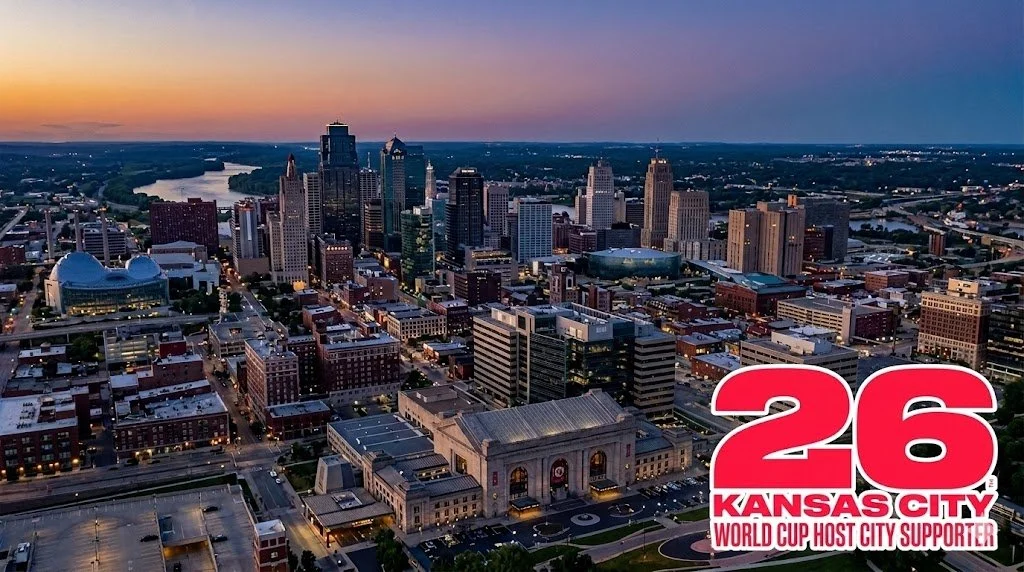
Lately, we’re seeing a question surface more frequently among homeowners and buyers across the Kansas City metro. It is not about interest rates or price movements. Instead, it is about flexibility. Specifically, people are asking how their home might function during moments when the city suddenly becomes the center of attention.
Kansas City has always had bursts of national focus. Major sporting events, conventions, tournaments, and regional gatherings create short windows where the city becomes far more crowded than usual. But lately, those windows are beginning to feel larger and more predictable.
One pattern that keeps coming up in client conversations is the idea that a home might not only be a place to live. At certain moments, it could also serve as a temporary asset. The question is not simply whether short-term rentals exist. The deeper question is how homeowners should think about occasional flexibility in a city that is beginning to attract more national events.
In real transactions, this shows up as buyers quietly asking about neighborhood rules, HOA language, and city regulations long before they ever list their home. They are not necessarily trying to run a full-time rental business. Instead, they are thinking about the occasional moment when the city suddenly becomes a destination.
The part that deserves more attention is how these short-term opportunities intersect with long-term housing decisions.
The Rise of Event-Driven Hosting
One pattern that keeps coming up is the difference between year-round short-term rentals and occasional event hosting. Those are two completely different strategies, yet many people accidentally treat them as the same.
Why this is happening is fairly straightforward. Cities like Kansas City are hosting more nationally visible events than they did a decade ago. When that happens, demand for temporary lodging spikes very quickly.
In real transactions, this shows up when buyers start asking questions about whether their home could legally host guests for a few nights during a major event. They are not planning to run a hospitality operation. They simply want the option available.
We recently saw a situation where a homeowner in the Northland had friends encouraging them to host visitors during a large sporting weekend. The house itself would have worked well for guests, but the HOA rules prohibited any short-term stays. The opportunity passed before the owner even had a chance to consider it.
The tradeoff here is predictability versus flexibility. Some neighborhoods protect stability by restricting short-term activity entirely. Others allow limited hosting but require permits or registration.
Five years from now, the cities and neighborhoods that balance flexibility with residential stability will likely attract the most interest from both buyers and long-term residents.
Neighborhood Rules Are Becoming a Real Factor
A question we’re hearing more often is whether neighborhood governance will influence where people buy homes.
Historically, most buyers focused on school districts, commute patterns, and lot characteristics. Those factors still matter deeply. But lately, buyers are beginning to look more carefully at the rule structure surrounding their property.
In real transactions, this shows up when a buyer reviewing HOA documents suddenly pauses at the section discussing rentals or occupancy limits. It often becomes a larger conversation about what kind of neighborhood environment they actually want.
For example, one couple recently evaluating homes in the Liberty area found two nearly identical properties. One allowed limited short-term rentals with registration requirements. The other banned them entirely. Their decision had less to do with hosting guests and more to do with neighborhood atmosphere.
The tradeoff is community stability versus owner autonomy. Some buyers want the certainty that their street will remain primarily residential. Others appreciate having a few more options available for how they use their property.
Over the next five years, we will likely see HOA policies become a more visible factor in buyer decision-making than they have been historically.
Temporary Demand Can Distort Perception
Where people are getting tripped up right now is confusing temporary spikes in demand with long-term housing value.
When a major event arrives in a city, lodging prices can surge dramatically for a few days. That visibility sometimes creates the impression that a home could consistently generate extraordinary rental income.
In real transactions, this shows up when homeowners begin exploring whether their property might function as a high-performing rental simply because of a single upcoming event.
We recently spoke with a homeowner in Midtown who considered furnishing their entire home for short-term hosting after hearing stories of unusually high nightly rates during a large event weekend. After running the numbers carefully, they realized that the setup costs, regulation requirements, and ongoing management effort made sense only if they intended to host frequently.
The tradeoff here is between opportunistic income and operational complexity. Hosting occasionally may be simple. Running a consistent short-term rental business requires a very different level of commitment.
Over the next five years, homeowners who approach this with clear expectations rather than hype will make better long-term decisions about how their property functions.
Cities Are Balancing Tourism With Livability
The final pattern worth paying attention to is how cities themselves manage the balance between visitors and residents.
Lately, we’re seeing cities across the country try to encourage tourism while also protecting neighborhood stability. That balancing act is not easy.
In real transactions, this shows up when homeowners start asking about permitting requirements, licensing structures, and occupancy rules long before they consider hosting guests.
A recent seller we worked with in the Brookside area asked whether short-term hosting could affect their future resale value. The answer was nuanced. In some neighborhoods, buyers see hosting flexibility as a positive feature. In others, buyers actively seek areas with stronger restrictions.
The tradeoff becomes city vitality versus neighborhood predictability. Cities want visitors and economic activity, but residents want consistency in the places where they live.
Looking five years ahead, the cities that communicate clear, predictable rules will likely create the healthiest housing environments for both homeowners and visitors.
What This Means If You’re Actually Moving
• If occasional hosting flexibility matters to you, review city regulations and HOA documents before writing an offer
• Understand the difference between occasional event hosting and operating a year-round short-term rental
• Neighborhood culture often matters as much as formal rules when it comes to short-term activity
• Temporary spikes in lodging demand should not drive a home purchase decision by themselves
• Buyers who value stability may prefer neighborhoods with stronger restrictions
• Sellers should understand how their local rules might shape buyer perception
• The most resilient housing decisions balance flexibility with long-term livability
The Fosgate Perspective
One misunderstanding we quietly see is the belief that a home must serve only one purpose. In reality, thoughtful homeowners often think about optionality. Not because they plan to constantly change how they use their property, but because life evolves over time. The goal is not to chase temporary opportunities or trends. It is simply to choose a home that continues to make sense for you whether the city is quiet or suddenly hosting the entire world.